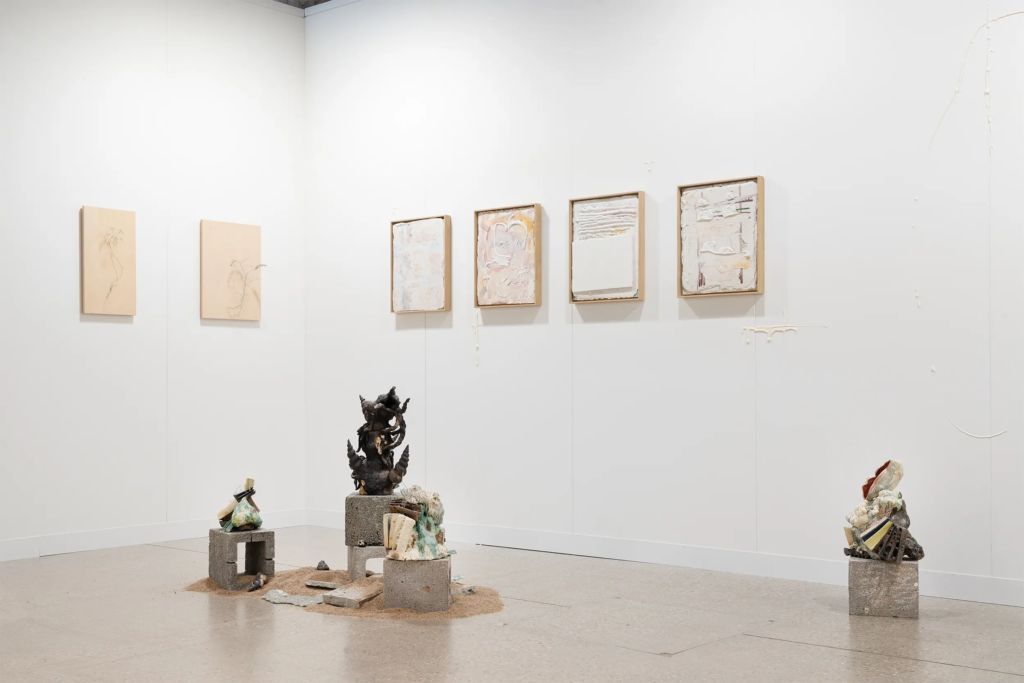
“La Peregrina” in Spanish means “the female wanderer” or “the pilgrim woman.”
Historically, La Peregrina is the name of one of the most famous pearls in the world. It was discovered in the sixteenth century in the Gulf of Panama by an enslaved man, who was granted his freedom in exchange for it. This 50.56-carat (approximately 10-gram) pear-shaped pearl belonged for centuries to the Spanish crown. It travelled across empires and dynasties – from the Spanish court to other European royal houses, eventually reaching Elizabeth Taylor in the twentieth century.
This famous pearl, wrapped in a history of adventure and possession, fascinated me – as did the subtle ways in which it travelled from the neck of one ruler to another. For centuries, it symbolised wealth, conquest and imperial power. Yet despite belonging to kings and kingdoms, the pearl always rested on a woman’s body.
For me, it became a direct symbol of female authority, and of the way power itself moves through history – much like La Peregrina.
La Peregrina
“La Peregrina” in Spanish means “the female wanderer” or “the pilgrim woman.” Historically, La Peregrina is the name of one of the most famous pearls in the world. It was discovered in the sixteenth century in the Gulf of Panama by an enslaved man, who was granted his freedom in exchange for it. This 50.56-carat…